10 Amazing Graphics About Bunk Bed Price Uk
What to Look For in a Bunk Bed Price Bunk beds are an excellent solution to save space for children and teens who share the bedroom. They also come in handy in the event that you require an extra guest bed. The cost of bunk beds is based on the size, materials design, style, brand name, and safety features. It can vary between $50 and $4000. Size Bunk beds are a great option to maximize space in small bedrooms. Before you buy it, make sure you determine the area you're planning to put it. This will ensure that you purchase a bunk bed that fits the space and not take up a lot of it. Standard bunk beds are 39 inches wide and 70 inches long. Their height can range between 63 and 66 inches depending on the design. They can also come in an L-shaped shape, in which the top bunk is perpendicular to the bottom bunk. They are generally less expensive than other types but they take up more space in the bedroom. You can also find bunk beds with stairs on either side, which makes it safer for your kids to climb up and down the top bunk. A futon mattress could also be used for the lower bunk. Futon mattresses can be bought in a variety of sizes, and are generally thinner than twin or full size beds. The standard twin mattress is the most commonly used type of mattress used in bunk beds. It measures 75 inches long and 38 inches wide, and is used on both the bottom and top bunk. If you require a longer mattress, consider getting a twin XL mattress. It's the same size as a twin mattress, but 5 inches extra length, making it the same length as a queen or king mattress. This is a great option for adults and teens who need a little bit more space in their bedrooms. There are other options, including a full bunk bed which is similar to a twin bed but includes an additional 15 inches of space to the side. This is most often used by college students and teens who live in a shared room, though it's not as common as the other two kinds of bunk beds. Materials Bunk beds are constructed from different materials such as wood, metal, and even plastic. Each type has its unique advantages and disadvantages, therefore it's important to decide what features are most important to your family. Metal bunk beds are generally more expensive than wooden ones. This is due to the fact that they can be more difficult to put together and are prone to corrosion. They also require more maintenance and might not last longer than their counterparts made of wood. 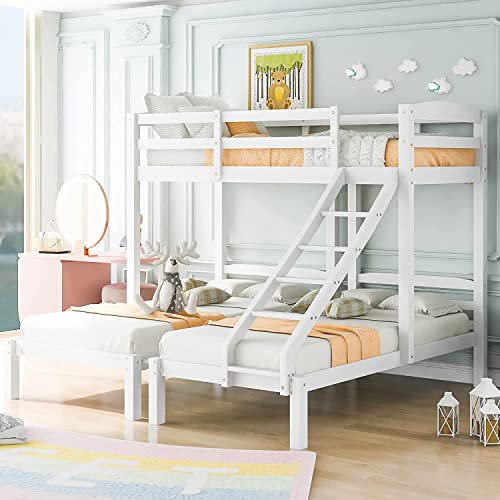 Wood bunk beds are more widespread, and they can be more flexible in terms individuality and storage. They can be customized in terms color and design, and can be used with any mattress and without the necessity of box springs. In addition to being more affordable, they also tend to last longer than their metal counterparts. This is because the coatings are designed to stop corrosion. Furthermore the wooden bunks are generally built with safety features, such as ladders and guardrails. These features protect children from falling off the top tier while they're asleep, and they can help them climb up and down quickly. When it comes to durability, metal bunk frames are usually stronger than their wooden counterparts. They are made of square tubing that is more durable than straps and angle iron. They are also more resistant to twisting and breaking when compared to round tubing. One benefit of bunk beds constructed with Kee Klamp fittings is that the frame can be dissembled once it's no longer required. This is a great alternative for kids who want to change their room layout or move to a different home. These fittings are strong enough to withstand massive loads, and can be reused for different construction projects. They can be disassembled to clean or to repair broken parts. When it comes to the price of a bunk bed it's based on the materials that it is constructed from and the size it is. You will pay anything from just a few hundred dollars up to a few thousand dollars for a high-quality bunk bed. It's essential to set a budget in mind before you begin your search. Stairs or Ladders If you're thinking of adding stairs or a ladder to your bunk bed, there are some things to be aware of. For starters, you need to take into consideration your child's age and capacity to climb a ladder or climb stairs. Also, consider the space available in your child's room. If your child is older, they might have more experience climbing stairs or ladders and will be competent to safely navigate them. Children who are younger, but should be kept in check when using these options. Stairs are more secure than ladders because they have a handrail and more tread. They also provide the biggest surface to stand on, which reduces the risk of injury should they fall down. Another wonderful feature of bunk beds that have stairs is that they generally come with storage drawers under each stairway. This can be used to store your child's clothes as well as other items, saving space in other areas of the room. If you are looking for a bunk bed that has stairs, you can expect to pay a little more than a similar model without stairs. However the benefits are usually worth the cost. It is crucial to keep in mind that your child shouldn't be allowed sleep in the top bunk until they are six years old. It's better to wait until they're ready than to be at risk of an accident. If you have a bed that has stairs, make sure to apply anti-slip tape to the rungs. This will prevent injuries from falling down the ladder's steel rungs. This is a great safety measure that can save your child's life. The ladder rung stickers are available at any home improvement shop or online. Make sure you cut the treads on the stairs by using a circular saw to the correct length. For instance, if your bunk bed is 56 inches high from the floor to the top bunk, you'll need seven treads. One on the ground and six on the side rails of the stairs. The bottom bunk will likely contain drawers, while the top bunk is equipped with a wardrobe or desk that can be opened. This is an excellent option for teens who require more storage space. Stores A bunk bed with an integrated storage unit is a desirable and convenient choice for children's bedrooms. It can store essential items like toys, clothes books, and other essential things close at hand without taking up floor space that could be used for exciting activities such as art projects or games. Bunk beds can also have other options, such as storage drawers and baskets under the bed. These include storage drawers, under-bed baskets and more. Bunk beds that have storage compartments built-in can be a tidy and organized space to store anything from books to clothes that are out of fashion or t-shirts. You can pick from many choices, such as simple wooden boxes or more advanced designs with wheels and metal divisions. For a more decorative option, you can opt for an e-book ledge that is mounted to the wall, which is a great way to minimize space while still having plenty of room to display your most loved books or art. This simple shelf can be attached to the bed frame using a clamping mechanism. It can be as large as 2.25 inches thick. This drawer made of steel from Room & Board will not be able to withstand the pressure of use. bunkbeds can be used to hold children from toddlers through teens and is easily portable thanks to its casters. It is not difficult to run short of storage space when you have rooms with many children and leave important items scattered around the room. A set of drawers is essential for every kid's room. Getting organized can make your home more relaxing. If you are short on storage space, a small desk will aid in keeping your child's schoolwork and other personal belongings organized and in order.